Helpen met Paarden – Equitherapie



Bad-PR-for-AMAT
PR for or against good and safe practice in AMAT?
An evaluation of project outcomes, quality standards, and publication integrity
Introduction & Context
It is a pity that some products of this project—which were not carried out in the planned and agreed way by all partners, and which were based on personal opinions of some participants only rather than on facts and scientifically approved surveys—are published in connection with AMAT as well as with SHP.
We consider this poor PR for AMAT, because it showcases unprofessional practices in working with horses and humans, thereby bringing correctly working organizations with highly developed standards and well-qualified providers into disrepute and difficulties.
This does not support AMAT being recognized as an efficient, effective, scientific, and evidence-based form of therapy.
SHP has learned a lot from this partner project and is preparing a publication on the conducted analyses, collected data, and conclusions for the field of AMAT. Professional work is rare in this field, and unprofessional work is very often published with an emotional tone, lacking a real scientific working base, safety standards, and an ethical code towards clients and horses. The publications and products of this project serve as examples of this situation.
The Not Approved Folder on AMAT
Here we want to comment on why we have problems with the publication of the named Not approved folder on AMAT by partners (Link to download the folder).
SHP does not approve the distribution of a folder declared as an outcome of this partnership because it represents poor and unsafe quality of work in AMAT. Furthermore, SHP discovered that a lot of submitted materials—intended for the common, approved development of a qualification framework by all partners—were used and published without proper citation and permission.
Key Issues Regarding the Folder Production
- Systematic Obstruction: Members of our organization should have been part of the PR working group but were systematically obstructed, preventing cooperation from reaching a functional level. We did not receive drafts of the folder to discuss them with other partners.
- Unapproved Content: Upon reviewing the finished folder, it became clear that the PR group (acting without our participation) had developed a folder we could not approve due to a lack of safety measures, an unbalanced representation of partner organizations, and a failure to reflect the state of the art and good practice in the Netherlands.
- Misuse of Photographic Material: SHP had supported the PR group with 65 approved photographs checked for safety, practice, work quality, and the well-being of horse and client according to SHP guidelines. The PR group used only one of these and filled the rest with photographs of unknown persons—neither educated by nor members of SHP—who in no way represented SHP's work or standards, yet were published under the heading "NL". Consequently, readers would mistake these photographs as representative of SHP's work as a partner organization. Furthermore, the single utilized photograph showing the head of the SHP equitherapist's training was used in a context misaligned with SHP vision and guidelines.
- Ignored Survey Feedback: SHP conducted a survey among equitherapy students and other respondents to evaluate the folder, revealing that it conveyed an unintended and distorted view of AMAT and good practice. We prepared a PowerPoint presentation of our study outcomes for the 5th meeting to foster constructive discussion with the PR group and partners, but were refused permission to show the full presentation (Presentation critical points of the draft folder asking for adaptation).
- Breach of Agreement: After partners refused to adjust the folder based on our feedback, we requested that our name and logo be removed prior to publication. Unfortunately, this agreement was breached. The folder continues to circulate digitally and in print bearing our logo and name, falsely suggesting our working methods align with its contents. This severely damages our reputation. Meanwhile, the German partner published an article on the project omitting us as a partner entirely while utilizing many of our contributions and productions. This issue remains unresolved.
Project Documentation & References
Refer to the following core documents for detailed records of these critical points:
- Presentation critical points of the draft folder asking for adaptation
SHP did not approve the produced folder due to poor and unequal representation of practices across countries and numerous safety problems shown in the pictures. We carried out a survey in the Netherlands to gather evidence-based arguments, aiming to discuss them with partners at the 5th meeting to improve the folder together. The folder failed to represent the safety measures and quality handled by our organization in the Netherlands. Despite our request to remove our logo and pictures following unauthorized publication, the folder continues to circulate with our branding, which we consider highly misleading and damaging to SHP's reputation and quality standards. - Not approved folder (PDF)
Unauthorised Use of Materials
Another issue that emerged during and at the end of the project was the unauthorised use of internal materials.
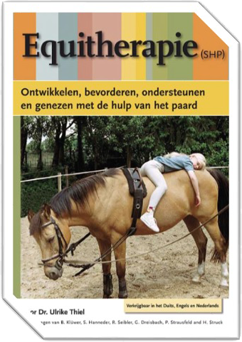
A substantial amount of material submitted by SHP to all partners—such as a draft version of the unpublished book *Equitherapy (SHP)* intended solely for internal project use—was utilized without citation and openly published on the coordinator's homepage accessible to everyone. Operating under EU Leonardo da Vinci guidelines did not deter partners from publishing information without permission. Consequently, valuable material submitted by SHP to build a common framework was misused for emotional PR and other agendas.